




How Does Fas-Trak Support Cleaning in High-Risk Facilities?
Introduction: Where Clean Isn’t Just Clean Enough
In hospitals, airports, and other high-risk facilities, cleaning is not about appearances. It is about infection control, public trust, regulatory compliance, and operational continuity. A missed surface can mean a healthcare-associated infection. An inconsistent mop change can mean cross-contamination across terminals, wards, or security zones. In these environments, systems matter more than effort.
High-risk facilities increasingly rely on engineered cleaning systems that reduce human variability, enforce process discipline, and align with evolving hygiene standards. Fas-Trak was built with these realities in mind.
The High-Risk Facility Problem: Complexity, Volume, and Zero Margin for Error
Hospitals and airports share several operational challenges:
- Massive square footage cleaned multiple times per day
- High human traffic with unpredictable contamination events
- Strict regulatory oversight (CDC, OSHA, Joint Commission, ICAO, TSA, local health authorities)
- Constant pressure to do more with fewer labor hours
- Rising scrutiny around infection prevention and environmental hygiene
Traditional cleaning tools rely heavily on individual behavior: how often a mop is changed, whether a vacuum is properly maintained, whether disinfectants are applied consistently. In high-risk facilities, variability is risk.
Also Read 💦Why Does “Made in the USA” Still Matter in Today’s Global Supply Chain?
Fas-Trak’s System-Based Approach to Hygiene Control
Fas-Trak is not a single tool. It is a modular hygiene system designed to standardize cleaning outcomes across people, shifts, and zones.
1. Fas-Trak Vacuum Systems: Containment Over Redistribution
In hospitals and airports, vacuums are not just for debris—they are airborne contamination control devices.
Fas-Trak commercial vacuums are designed to:
- Capture fine particulates without re-aerosolization
- Support HEPA-grade filtration where required
- Maintain consistent suction performance over long shifts
- Reduce operator fatigue through ergonomic design
In healthcare environments, this matters for dust-borne pathogens and allergens. In airports, it reduces the spread of contaminants across security lines, boarding areas, and restrooms.
The result is not just cleaner floors, but cleaner air pathways within enclosed public spaces.
2. Fas-Trak Mopping Systems: Breaking the Cross-Contamination Cycle
Traditional mopping is one of the most common sources of cross-contamination in high-risk facilities. Reused mop heads, over-diluted solutions, and inconsistent change-outs turn cleaning into pathogen transport.
Fas-Trak mopping systems address this directly:
- Controlled solution dispensing eliminates guesswork
- Dedicated mop zones reduce cross-area contamination
- Faster mop change-outs support protocol compliance
- Reduced chemical overuse protects sensitive environments
For hospitals, this aligns with infection prevention strategies that emphasize single-use or controlled-use cleaning media. For airports, it enables zone-based sanitation (restrooms, food courts, security areas) without tool crossover.
3. The Coming Evolution: Disinfecting Wiper Dispensers (Reva)
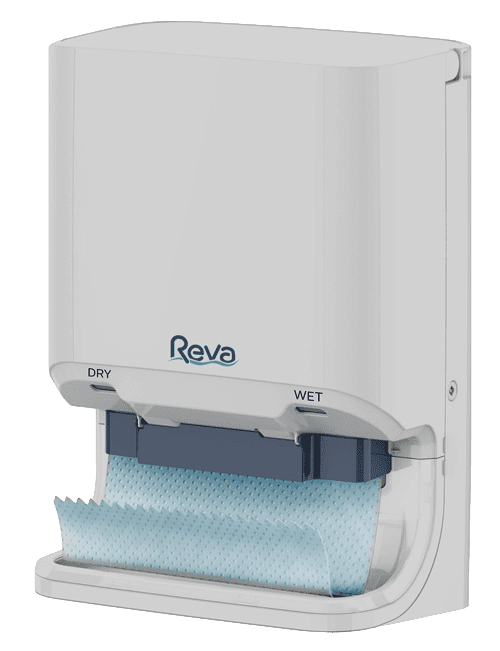
High-risk facilities are moving toward surface-specific, task-specific disinfection. One-size-fits-all cleaning is being replaced by targeted hygiene protocols.
The upcoming Reva disinfecting wiper dispenser system reflects this shift.
Designed for:
- Controlled dispensing of disinfecting wipes
- Reduced overuse and waste
- Consistent dwell-time compliance
- Rapid response to high-touch contamination events
Reva-style systems are especially valuable in:
- Patient rooms and clinical zones
- Airport security bins and touchpoints
- Restroom fixtures and food-service areas
- Isolation and incident-response cleaning
By standardizing wipe access and usage, facilities reduce the risk of under-disinfection while also controlling costs and chemical exposure.
Learn more 👉🏼https://fas-trak.com/reva-dry-damp-wipers/
Compliance, Audits, and Documentation Support
High-risk facilities do not just clean—they prove they cleaned.
Fas-Trak systems support compliance by:
- Enforcing repeatable cleaning processes
- Reducing reliance on undocumented manual habits
- Supporting training consistency across teams
- Aligning with written SOPs and infection-control plans
This is critical during audits, inspections, and post-incident reviews, where process adherence matters as much as results.
Labor Reality: Designed for the Workforce You Actually Have
Healthcare and aviation cleaning teams face high turnover, multilingual staff, and constant schedule pressure. Systems must work even when experience levels vary.
Fas-Trak reduces cognitive load by:
- Making correct cleaning the default
- Reducing decision points during tasks
- Minimizing training time without sacrificing outcomes
- Supporting consistency across shifts and contractors
This is not about replacing workers—it is about supporting them with systems that prevent mistakes before they happen.
Future-Proofing High-Risk Facility Hygiene
Sanitation standards are tightening, not loosening. Facilities are preparing for:
- More frequent outbreak-response protocols
- Greater public visibility into cleaning practices
- Data-backed hygiene performance expectations
- Increased emphasis on sustainability and chemical control
Fas-Trak’s modular ecosystem allows facilities to evolve without reinventing their entire cleaning infrastructure. Vacuums, mopping systems, and controlled disinfecting tools work together as a unified hygiene strategy rather than disconnected products.
Conclusion: Systems Win in High-Stakes Environments
In hospitals and airports, cleaning is infrastructure. It supports patient outcomes, passenger confidence, and operational resilience.
Fas-Trak fits high-risk facilities not because it cleans harder, but because it cleans smarter—reducing variability, supporting compliance, and aligning with modern infection-prevention science.
When hygiene failure is not an option, systems matter.
FAQs
1. What types of high-risk facilities is Fas-Trak designed for?
Fas-Trak is designed for hospitals, airports, healthcare facilities, laboratories, and other environments where strict hygiene, infection control, and regulatory compliance are required.
2. How does Fas-Trak help reduce cross-contamination?
Fas-Trak systems use controlled dispensing, zone-based cleaning tools, and standardized processes that prevent the transfer of contaminants between areas.
3. Are Fas-Trak systems appropriate for hospital infection-control programs?
Yes. Fas-Trak supports healthcare cleaning protocols by improving consistency, reducing human error, and aligning with infection-prevention best practices.
4. Can Fas-Trak be used in airports and transportation hubs?
Yes. Fas-Trak systems are well suited for high-traffic environments such as airports, where rapid, repeatable sanitation is required across multiple zones.
5. Do Fas-Trak vacuums support HEPA filtration?
Certain Fas-Trak vacuum models support HEPA-grade filtration, depending on configuration, making them suitable for healthcare and sensitive environments.
6. What makes Fas-Trak mopping systems different from traditional mopping?
Fas-Trak mopping systems control solution dispensing and encourage proper mop change-outs, significantly reducing contamination risks associated with reused mop heads.
7. What is the Reva disinfecting wiper dispenser system?
Reva is an upcoming Fas-Trak disinfecting wiper dispenser designed to provide controlled access to disinfecting wipes while supporting proper dwell time and chemical use.
8. How does Fas-Trak support regulatory compliance and audits?
Fas-Trak systems help enforce repeatable cleaning processes, making it easier to demonstrate compliance during inspections and audits.
9. Can Fas-Trak help reduce chemical overuse?
Yes. Controlled dispensing systems help prevent over-application of cleaning and disinfecting chemicals, improving safety and sustainability.
10. Does Fas-Trak replace cleaning staff?
No. Fas-Trak enhances cleaning teams by reducing variability, supporting training, and making correct cleaning procedures easier to follow.
