

Traditional Mopping Isn’t Built for Modern School Facilities
Most school maintenance crews are trying to clean 2026-sized facilities with 1980s cleaning methods.
That’s the real problem.
Hallways are larger. Expectations are higher. Staffing is tighter. Yet many teams are still relying on:
- Traditional mops
- Uneven chemical application
- Labor-heavy cleaning processes
The result?
- Inconsistent cleaning
- Excess labor hours
- Physical fatigue
- Slower turnaround times
And during summer resets or daily maintenance cycles, those inefficiencies compound fast.
The Real Problem with Traditional Cleaning Methods

Traditional floor cleaning creates hidden operational issues most facilities don’t calculate properly.
The Biggest Problems:
- Uneven chemical distribution
- Overwet floors
- Repeated mop passes
- Constant bucket changes
- Crew fatigue from repetitive motion
In large school environments, that becomes a serious labor drain.
The Industry Enemy:
Outdated cleaning workflows that force crews to spend more time managing the process than actually cleaning the floor.
Also Read 📖How Can School Maintenance Crews Cut Strip-Out Time in Half?
Why Traditional Cleaning Takes Longer Than It Should
Most delays happen because traditional systems clean inconsistently.
What Happens During Traditional Mopping:
First Pass:
- Pushes dirt and solution unevenly
- Leaves streaks or missed areas
Second Pass:
- Attempts to redistribute solution
- Corrects inconsistent coverage
Third Pass (often unintentionally):
- Touch-up cleaning
- Dry correction
- Rework after inspection
👉 Most crews don’t realize how much time gets lost simply correcting inconsistent application.
How Spray Power Cleaning Systems Actually Work
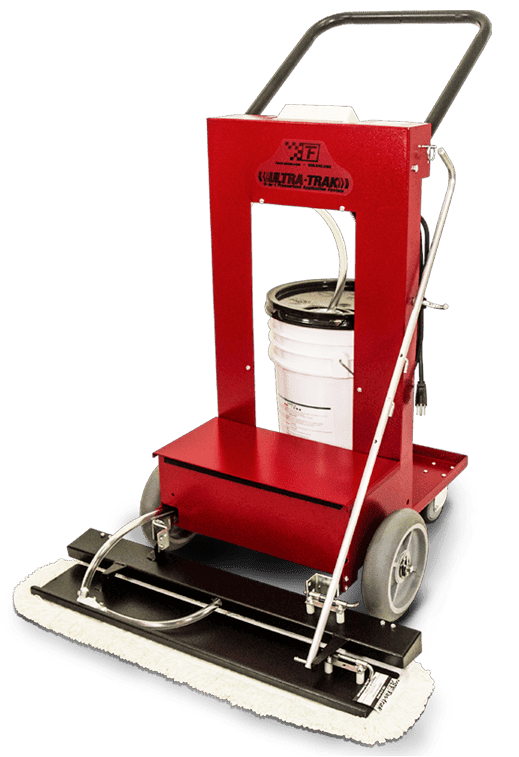
Spray power systems change the process by improving:
- Coverage consistency
- Chemical placement
- Cleaning efficiency
- Square-foot productivity
Instead of dragging solution across the floor manually, spray systems apply controlled coverage evenly across the cleaning path.
The Ultra-Trak Spray Power Advantage
The Ultra-Trak system is designed for:
- Large-area floor cleaning
- School hallways
- Cafeterias
- Gym entrances
- Classroom wings
- Common areas
Instead of relying on manual mop saturation, the system delivers:
- Controlled spray application
- Consistent floor coverage
- More efficient chemical usage
👉 The result is faster cleaning with fewer wasted steps.
Also Read📖Case Study: How Schools & Universities Cut Cleaning Time with Ultra-Trak + Micro-Trak

Quantifiable Operational Impact
Traditional Cleaning Workflow:
- Repeated mop passes
- Frequent bucket changes
- Inconsistent chemical use
- Slower hallway completion
Ultra-Trak Spray Power Workflow:
- Controlled spray coverage
- Faster movement through large areas
- Reduced repetitive labor
- More consistent results
👉 Potential Result:
Large-area cleaning productivity improvements of 25–40% depending on facility layout and workflow.
Real-World School Scenario
A high school maintenance crew is preparing for reopening after summer projects.
Areas include:
- Main hallways
- Cafeteria entrances
- Classroom wings
- Administrative corridors
Traditional Process:
- Multiple mop changes
- Constant water replacement
- Slow hallway progression
Spray Power Process:
- Continuous workflow
- Faster coverage
- Reduced downtime between sections
👉 Outcome:
Crews finish faster, experience less fatigue, and maintain more consistent appearance standards across the facility.

What Happens If Facilities Don’t Modernize
If teams continue relying on:
- Labor-heavy mopping systems
- Inconsistent application methods
- Outdated workflows
They risk:
- Higher labor costs
- Increased crew burnout
- Slower turnaround schedules
- Reduced cleaning consistency
And those problems become more visible every year as schools expand and staffing becomes harder to maintain.
Why This Matters Now
School maintenance teams today are under pressure from all sides:
- Smaller crews
- Larger facilities
- Higher expectations for cleanliness and appearance
- Tighter turnaround windows
The old approach—“just push harder”—doesn’t work anymore.
Efficiency isn’t optional. It’s operational survival.
CTA
If your maintenance team is still relying on outdated mopping workflows, it may be time to upgrade your cleaning process.
Talk to Fas-Trak about how Ultra-Trak spray power systems can help your crew clean faster, reduce labor strain, and maintain higher appearance standards across your facility.
(FAQs)
1. What is a spray power cleaning system?
A spray power cleaning system applies cleaning solution evenly across the floor surface using controlled spray technology to improve efficiency and consistency.
2. Why are schools switching to spray cleaning systems?
Schools are adopting spray systems to reduce labor time, improve cleaning consistency, and help smaller crews maintain larger facilities more efficiently.
3. How does spray cleaning reduce labor?
Spray systems reduce repetitive motions, improve floor coverage, and eliminate many inefficiencies associated with traditional mopping.
4. Does spray cleaning use less chemical?
In many applications, yes. Controlled application reduces overuse and improves chemical placement across the floor.
5. What areas benefit most from spray cleaning systems?
Large hallways, cafeterias, gyms, classroom wings, and other high-traffic school areas benefit significantly from spray power systems.
6. Are spray cleaning systems safer for schools?
Controlled moisture application can help reduce overwet floors and improve drying times, contributing to safer facility conditions.
7. How much faster are spray cleaning systems?
Productivity improvements vary by facility and workflow, but many schools experience substantial reductions in labor time and cleaning delays.
8. Why do traditional mopping systems slow crews down?
Traditional systems require repeated passes, bucket changes, uneven application correction, and more physical labor.
9. Can spray systems improve floor appearance?
Yes. More even chemical application helps produce cleaner, more consistent-looking floors.
10. What is the biggest benefit of upgrading cleaning systems?
The biggest advantage is operational efficiency—helping crews clean larger spaces faster with less physical strain and more consistent results.
