


The Schools People Remember Aren't Always the Newest
Picture two schools.
Both have experienced teachers.
Both offer strong academic programs.
Both invest in technology.
Both genuinely care about student success.
Yet parents often leave one school saying something they never expected.
"That school just felt different."
They can't always explain why.
The classrooms were bright.
The hallways felt clean.
The restrooms were fresh.
The athletic facilities didn't have lingering odors.
The buses looked well maintained.
Even the administrative offices felt organized and welcoming.
None of these observations directly relate to academics.
Yet together they create something incredibly powerful:
Confidence.
Today's educational leaders understand that the learning environment begins long before a student sits down at a desk.
It begins the moment someone walks through the front door.
Also read 📖What Parents Notice First: The Facility Conditions That Shape School Perception
The Evolution of School Cleaning

Not long ago, school cleaning was measured by appearance.
Were the floors shiny?
Were the trash cans empty?
Did the building look clean?
Today, expectations have changed dramatically.
Parents, teachers, students, and staff have become far more aware of the environments they occupy every day.
Questions have shifted from appearance to experience.
Is the school maintained consistently?
Do the restrooms feel clean?
Are high-touch surfaces regularly sanitized?
Does the air feel fresh?
How are shared spaces managed during cold and flu season?
Facility management has evolved beyond aesthetics.
It has become part of the educational experience itself.
Schools are no longer judged solely by what people see.
They're judged by what people experience.
Also Read 📖School Odor Control Solutions: Why School Odors Keep Coming Back and How to Stop Them
Environmental Hygiene Is Bigger Than Cleaning
One of the biggest misconceptions in facility management is assuming that cleaning and environmental hygiene are the same thing.
They aren't.
Cleaning removes visible dirt.

Rather than relying on one product or one daily cleaning routine, successful schools increasingly implement layered environmental hygiene strategies that address multiple aspects of the facility at the same time.
Each layer contributes to the overall experience.
Also Read 📖How Spray Power Cleaning Systems Help Schools Clean Faster with Less Labor
Every Layer Supports the Learning Environment
Imagine environmental hygiene like building a strong educational program.
No single teacher creates an outstanding school.
No single classroom determines academic success.
Instead, every department contributes.
Facility management works much the same way.
Every environmental layer supports the next.
Clean surfaces support healthier classrooms.
Fresh restrooms create positive impressions.
Well-maintained athletic facilities improve student experiences.
Cleaner shared spaces support confidence among visitors.
Indoor air management contributes to comfortable workspaces for teachers and administrative staff.
Each layer may appear small on its own.
Together, they define how a school is experienced every day.
Also Read 📖Why Hand Drying Impacts Restroom Hygiene More Than You Think
Layer One: Daily Surface Sanitizing
Students interact with hundreds of surfaces throughout a typical school day.
Desks.
Tables.
Door handles.
Light switches.
Technology carts.
School buses.
Shared equipment.
Maintaining consistency across these surfaces can become one of the largest challenges facing custodial teams.
This is where standardized daily sanitizing solutions become valuable.
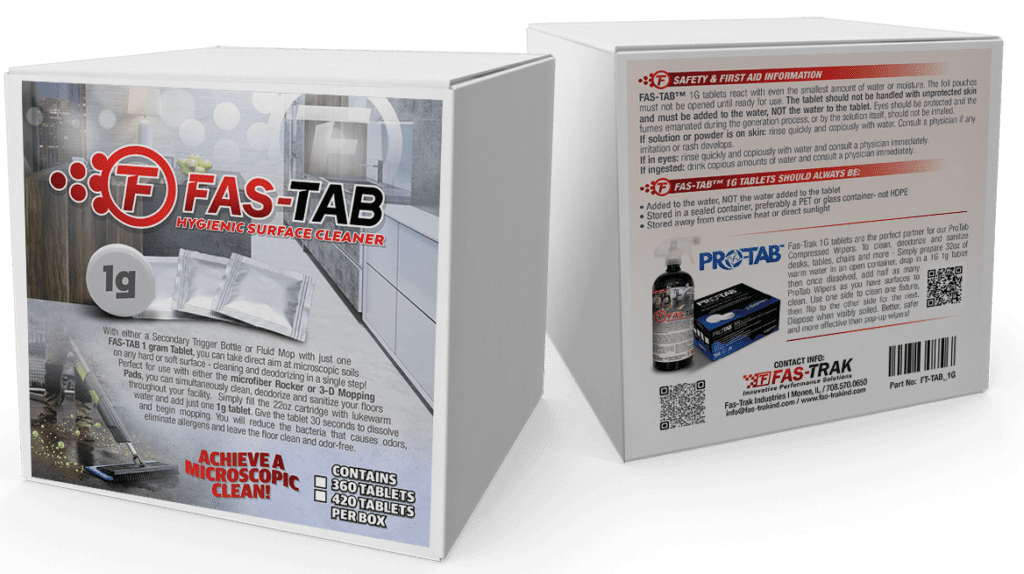
Fas-Tab HSC Chlorine Dioxide Tablets provide facility teams with a simple, pre-measured approach for preparing sanitizing solutions, helping reduce mixing inconsistencies while supporting routine sanitizing procedures across classrooms, transportation fleets, athletic facilities, and common areas.
For schools managing multiple buildings or numerous custodial staff, standardized preparation methods can contribute to greater consistency throughout the district.
Layer Two: Putting Sanitizing Within Reach of Teachers
Custodial teams cannot be everywhere at once.
Teachers interact with their classrooms all day long.
Between classes, many educators choose to quickly wipe desks, tables, shared supplies, and frequently touched surfaces.
Convenience matters.
If sanitizing supplies are difficult to locate, they often go unused until the end of the day.
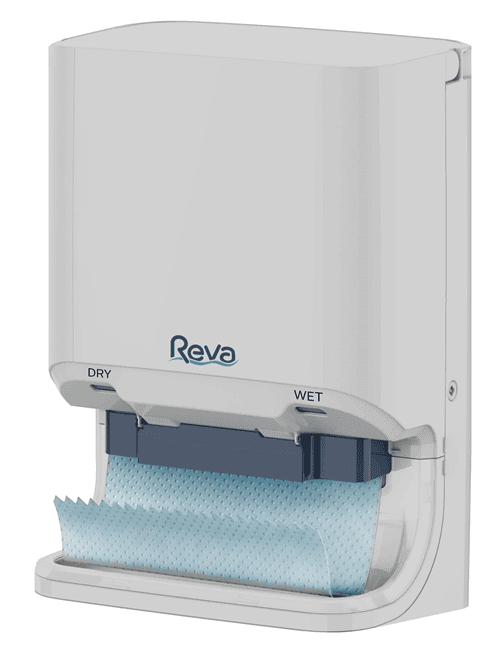
REVA Dry & Damp Wipers offer schools a versatile option that can be mounted in classrooms, nurse stations, offices, cafeterias, and other high-use areas.
Used dry, they provide an easy solution for quickly cleaning spills and everyday messes.
When paired with an approved sanitizing solution, they can also support routine wipe-downs of desks, workstations, door handles, and other high-touch surfaces.
Rather than replacing custodial cleaning, they become another layer within the school's overall environmental hygiene strategy.
That accessibility helps reinforce a culture where maintaining the learning environment becomes everyone's responsibility.
👀check out how it works 📽️https://www.youtube.com/watch?v=6owk3yiJ96Q
Layer Three: Creating Better Restroom Experiences

Ask any experienced facility manager where visitors form lasting opinions about a building, and you'll often hear the same answer:
"Check the restrooms."
Restrooms are among the most heavily used spaces in any educational facility. They're also one of the first places where parents, students, staff, and visitors notice whether a school appears consistently maintained.
A modern restroom experience goes beyond clean fixtures. It includes touch-free technologies, effective odor management, and thoughtful design that supports hygiene and user confidence.
The Pebble HEPA Hand Dryer contributes to that experience by combining touch-free hand drying with HEPA-filtered airflow, according to the manufacturer's product specifications. Beyond providing efficient hand drying, the unit continuously circulates air through its filtration system when operating in accordance with its design, making it a modern addition to educational restrooms focused on cleanliness, efficiency, and user comfort.
Rather than viewing hand dryers as simple restroom accessories, schools increasingly recognize them as one component of a comprehensive restroom hygiene strategy.
👀Check out how it works 📽️https://www.youtube.com/watch?v=3iyQsnuDEBw
Layer Four: Supporting Cleaner Indoor Air in Shared Staff Spaces

Classrooms receive much of the attention during the school year, but teachers and staff also spend significant time in smaller enclosed environments.
Teacher lounges.
Administrative offices.
Conference rooms.
Counseling offices.
Nurse stations.
These areas often experience continuous occupancy throughout the day while having fewer opportunities for natural air exchange.
The UV400 Air Purifier is designed for these types of smaller spaces, utilizing HEPA filtration and continuous air circulation to help improve indoor air quality within the environment where it is installed.
While air purification is only one component of a healthy indoor environment, many schools are looking for practical ways to support staff comfort and indoor environmental quality throughout the school year.
Supporting the people who support students is another important layer of environmental hygiene.
👀Check out how it works 📽️https://www.youtube.com/watch?v=XNYDaXUddDA
Layer Five: Athletic Facilities Present Unique Challenges

Few environments work harder than school athletic facilities.
Locker rooms.
Weight rooms.
Training areas.
Equipment storage rooms.
Wrestling rooms.
These spaces experience:
- Heavy daily traffic
- Moisture
- Perspiration
- Sports equipment
- Limited drying time
- Seasonal use spikes
Even well-maintained athletic facilities can develop recurring odor concerns simply because of how they're used.
Rather than masking odors with fragrances alone, schools increasingly seek targeted odor-management strategies designed for demanding environments.
Rapid OC is designed specifically for challenging odor environments such as athletic facilities, helping custodial teams address recurring odor concerns as part of an overall environmental hygiene program.
Students notice these spaces.
Athletes notice them.
Parents attending games notice them.
Maintaining athletic environments contributes directly to the overall impression of the school.
Layer Six: Managing Larger Shared Spaces
Large educational facilities create a different challenge altogether.
Hallways.
Cafeterias.
Gymnasiums.
Auditoriums.
Commons areas.
These environments experience thousands of people moving through them every day.
Cleaning them efficiently while maintaining consistency requires more than additional labor.
It requires the right tools.
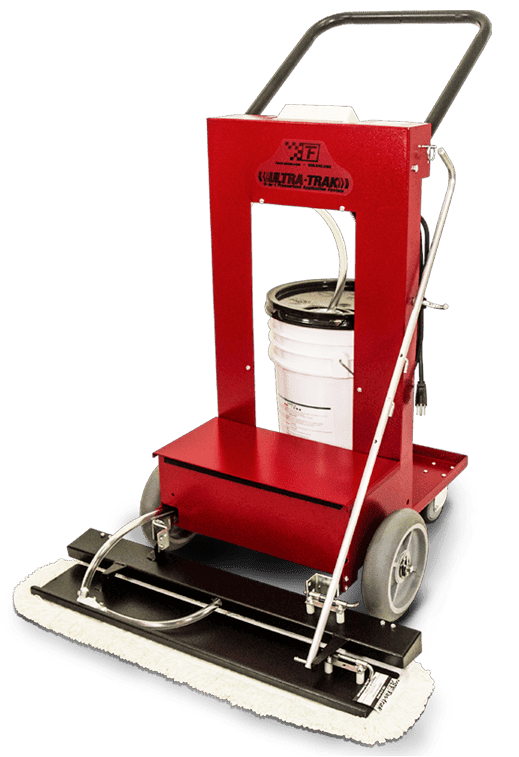
Ultra-Trak Plus is designed to improve cleaning productivity across larger floor areas, helping custodial teams maintain high-traffic educational environments more efficiently.
As staffing shortages continue affecting educational facilities nationwide, solutions that help crews complete larger areas consistently become increasingly valuable.
Efficiency doesn't replace quality.
It helps make quality sustainable.
Also Read 📖How Do Ultra-Trak & Micro-Trak Transform Coating Application?
👀Check out how it works📽️ https://www.youtube.com/watch?v=23BXW-rVhg4
Layer Seven: Standardizing the Entire Process
Even the best cleaning products produce inconsistent results when application methods vary from one employee to another.
This is why leading facility managers focus not only on chemicals and equipment, but also on process standardization.
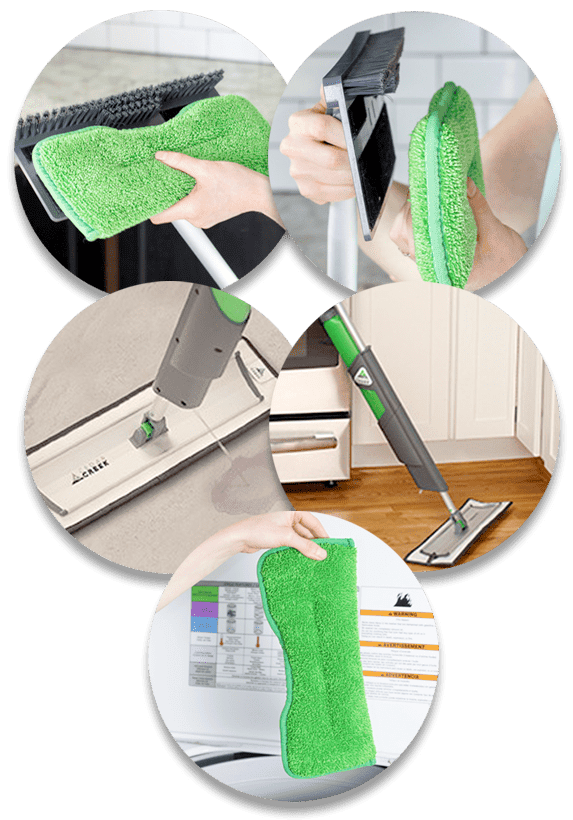
The Fluid Tool helps support standardized floor-care and solution application practices by improving consistency while reducing unnecessary waste.
It allows quick access for small jobs when time is of the essence and the need for immediate clean-up is needed. This is the tool to have on hand.
When multiple custodians work across numerous buildings, standardizing procedures helps create repeatable results regardless of who performs the work.
Consistency is ultimately what parents, teachers, students, and visitors notice.
Also Read 📖Why Are Tight Spaces the Hardest Areas to Finish in School Facilities?
👀Check out how it works 📽️https://www.youtube.com/watch?v=75o2vp0W6-4

Real-World School Scenario

It's late August.
Teachers have returned.
Custodial teams are completing final preparations.
Athletic programs are beginning practices.
Transportation departments are preparing bus routes.
Rather than focusing solely on appearance, the district has implemented a layered environmental hygiene approach.
Classrooms receive standardized daily sanitizing with Fas-Tab HSC Chlorine Dioxide Tablets.
Teachers have access to conveniently mounted REVA Dry & Damp Wipers for quick end-of-day desk and surface wipe-downs.
Restrooms feature Pebble HEPA Hand Dryers, supporting touch-free hand drying and HEPA-filtered airflow.
Teacher workrooms and administrative offices utilize UV400 Air Purifiers to help maintain comfortable indoor environments.
Athletic departments rely on Rapid OC in demanding odor-prone spaces.
Large corridors, cafeterias, and gymnasiums are maintained with Ultra-Trak Plus, while standardized application methods using the Fluid Tool help create consistency across multiple custodial teams.
No single product transforms the school.
Together, however, they support an environment that feels clean, organized, and well cared for.
Parents notice.
Students notice.
Teachers notice.
The Business Case for Environmental Hygiene
Educational leaders rarely evaluate facility management based solely on shiny floors.
Instead, they increasingly consider broader operational outcomes such as:
- Facility consistency
- Staff satisfaction
- Parent confidence
- Student experience
- Operational efficiency
- Reduced repeat cleaning
- Complaint reduction
- Positive community perception
Many factors influence attendance, student performance, and staff wellness, and no environmental hygiene program alone determines those outcomes.
However, creating cleaner, healthier, and more consistently maintained learning environments supports the conditions in which students and educators can thrive.
Environmental hygiene has become an operational investment—not simply a custodial responsibility.
Also Read 📖How Are Schools Finishing Large Hallways & Classrooms Faster with Smaller Crews?
The Schools That Stand Out

Parents rarely recommend a school because its floors were polished.
They recommend schools because:
"It felt welcoming."
"The building was well cared for."
"Everything seemed organized."
"The school felt healthy."
Those impressions are built through thousands of small details experienced every day.
Every classroom.
Every restroom.
Every hallway.
Every locker room.
Every school bus.
Every teacher workspace.
Every interaction contributes to the school's reputation.
Also Read 📖How Spray Power Cleaning Systems Help Schools Clean Faster with Less Labor
Is Your Facility Set For Success...
Great schools are built by exceptional educators, engaged students, supportive families, and dedicated staff.
But those people all share one thing in common:
They rely on the environment around them every single day.
Since 2019, environmental hygiene is no longer just about cleaning.
It's about creating spaces that foster confidence, comfort, consistency, and operational excellence.
By taking a layered approach—combining daily sanitizing, convenient surface care, modern restroom solutions, improved indoor air quality, targeted odor management, efficient floor care, and standardized application methods—schools can create healthier learning environments that support everyone who walks through their doors.
The clean school advantage isn't about one product.
It's about a complete environmental hygiene strategy that helps every student, teacher, staff member, and visitor experience the school at its very best.
Give us a call today and talk to one of our specialist about setting your facility up for success this next school season.
📞Contact Fas-Trak

🏡Home
Have More Questions?
1. What is environmental hygiene in schools?
Environmental hygiene is a comprehensive approach to maintaining healthy learning environments by combining surface sanitizing, indoor air quality, restroom hygiene, odor management, standardized cleaning procedures, and facility maintenance. Rather than focusing on one area, it addresses every environment students, staff, and visitors experience throughout the school day.
2. How is environmental hygiene different from routine cleaning?
Routine cleaning removes visible dirt and debris. Environmental hygiene goes further by supporting consistent maintenance of high-touch surfaces, indoor air quality, odor control, and standardized sanitation practices across the entire educational facility.
3. Why are parents paying more attention to school cleanliness?
Parents increasingly view a school's physical environment as a reflection of its overall commitment to student well-being. Clean classrooms, fresh restrooms, organized hallways, and well-maintained common areas help create positive first impressions and build confidence in the school.
4. How can schools better manage recurring odors in locker rooms and athletic facilities?
Athletic facilities experience unique challenges due to moisture, equipment, perspiration, and heavy daily use. A layered odor management strategy that targets odor sources rather than simply masking odors can help maintain more pleasant athletic environments.
5. What role does indoor air quality play in educational facilities?
Indoor air quality contributes to overall occupant comfort and the learning environment. Proper ventilation, air filtration, and regular facility maintenance help support healthier indoor spaces for students, teachers, and staff.
6. Why should teachers have access to classroom sanitizing supplies?
Providing teachers with convenient access to sanitizing materials allows them to quickly clean desks, shared equipment, and high-touch surfaces during the school day or after class, complementing the work of custodial teams.
7. How can standardized cleaning procedures improve consistency?
Standardized products, application methods, and training help custodial teams achieve more consistent cleaning results across classrooms, restrooms, athletic facilities, buses, and common areas regardless of who performs the work.
8. What school areas require the greatest attention during the school year?
High-priority areas typically include classrooms, restrooms, athletic facilities, cafeterias, school buses, high-touch surfaces, administrative offices, nurse stations, and teacher workspaces.
9. Can a layered environmental hygiene strategy support healthier learning environments?
Yes. A layered approach combines multiple facility management practices—including surface sanitizing, odor management, indoor air quality, restroom hygiene, and standardized cleaning procedures—to support cleaner, healthier, and more welcoming educational environments. No single product or program alone determines health outcomes.
10. Why are schools adopting comprehensive environmental hygiene programs?
Many schools are expanding beyond traditional cleaning by implementing integrated environmental hygiene strategies that improve operational consistency, support facility appearance, enhance user experience, and reinforce community confidence.
